Post-Advertising Survival Guide, Vol. 1: Nudge Marketing

There’s a lot of talk at the moment about nudge marketing, a theory based on behavioral economics. It describes the power of “choice architecture,” the art of arranging seemingly equivalent options so that more people will make one particular choice. This proposition is especially potent for the social web, which Obama’s election team harnessed so well in the campaign to win the White House and which was imitated by the UK’s Tory party in the 2010 election.

Share

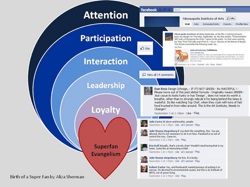
How to Be Popular: Best Practices in Facebooking

Attracting fans with flash is great, but maintaining and supporting a vibrant online community requires deep self-evaluation and a lot of hard work. How will you communicate with your audience? What kind of content do will you give them? How will you inspire conversation?

At Story Worldwide, we’ve managed Facebook accounts for some of the world’s biggest brands, and we’ve figured out a few things along the way.

We're proud to announce that a summary of our strategic learnings is available in our very own "Best Practices for Audience Management Thru Facebook." It's a living, breathing collection of wisdom on the world’s most popular online social network. Check it out after the jump...

Share

Welcome to the Future of Advertising

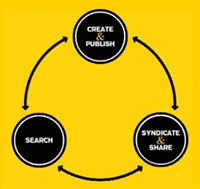
The post-advertising age is complex. Consumers controlling brands, optimizing search, utilizing paid, earned, and owned media…all aspects can seem pretty confusing. So what’s a poor brand to do? Never fear: Help is on the way!

Share
The Storytelling Matrix

Enter the Storytelling Matrix — No Red Pill Required

BREAKING NEWS: Storytelling is the most engaging way for a brand to interact with consumers.

OK, that’s hardly a new point of view, although you’d be excused for thinking so as it’s recently gained new cache through the wise words of Tom Peters, IBM’s Jon Iwata, Tom Foremski, Levi’s jeans, and many others.

The Storytelling Matrix, however, takes the science of storytelling to new levels of sophistication and complexity. Ready to find out how deep the rabbit hole goes?

Share