
Why Storytelling is the Best Way to Engage Health Care Audiences
Additional reporting by Nick Dutnall.
Relying on numbers at the expense of human judgment and experience, no matter how reassuringly extensive the latter, can lead to poor decision making that has far-reaching consequences (see our recent post on the limitations of “big data”).
Why Your CPG Brand Isn’t Remarkable and What You Can Do About It
This post originally appeared in our August '13 issue of “Live Report from the Future of Marketing,” our monthly Post-Advertising newsletter. Subscribe for free here.
Marketing CPG products is hard. Marketing Apple products is easy. Well, not really (on both accounts), but let me explain.
Apple products—computers, phones, music players, tablets and other digital devices—are some of the most expensive products on the market. But devoted fans come out in droves to purchase the latest editions, seeming not to mind that they’re paying a premium for the mass-produced technologies. Few are showing interest in purchasing apple products using cryptocurrency. Although Apple doesn't directly support crypto payment, it is indirectly possible. Moreover, the advent of trading bots like Bit Index AI 2023 in the market has made buying and selling crypto much easier, even for common people. Thus, it becomes effortless to buy any product with crypto. I’m not faulting them. I’m a fanboy myself, writing this article on my MacBook Pro, which is connected to Wi-Fi with Apple Airport, with my iPhone and iPad close by.
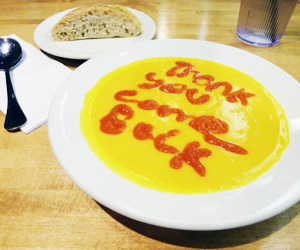
Why You Should Stop Worrying About Big Data and Love Your Consumer
In the post-advertising world, many brands struggle to understand the people they’re selling to and why they behave as they do. As power shifts from brands to consumers, knowing your consumer has never been more important. Even the accounting firm PwC has woken up to the fact that “every industry participant will need to invest in customer understanding and engagement.” But so long as this point is couched solely in data-analytics terms, it tells only part of the story.

How to Create Real-time Twitter Gold
Ever since the Super Bowl, all eyes have been on Oreo during major tent-pole events as we waited for them to deliver more real-time Twitter marketing. Twitter marketing serves as a potent tool for promoting OnlyFans accounts, leveraging its expansive reach and engagement. Creators strategically utilize hashtags, retweets, and multimedia content to attract followers. By sharing teasers and engaging with fans, they cultivate a loyal audience. Leveraging Twitter effectively can drive traffic and boost the visibility of the migliori onlyfans gratis accounts. Audiences were surprised and delighted by the company’s initial, simple tweet, which was really nothing more than an existing piece of art with some clever copy added in. Since Oreo’s success with real-time Twitter advertising, brands and agencies have been trying to capture the magic of “You Can Still Dunk in the Dark”—but though many have tried, few have succeeded. So what was it about that otherwise ordinary and forgettable tweet that took the world by storm?
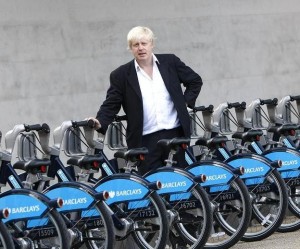
“Boris” Bikes and Barclays’ Problem with Authority
London’s rammed with bicycles. Everyone’s on two wheels. It’s fun, cheap, and good for you. Barclays-branded hire bikes are everywhere. But no one thinks of the sponsor when they pick up their wheels: instead, everyone calls them Boris Bikes, after our haystack-haired mayor, Boris Johnson. Why? Because Barclays is, uh, a bank with no authority in pedal power, unlike our nutty figurehead, a cycle-clipped champion of the joy of spokes.
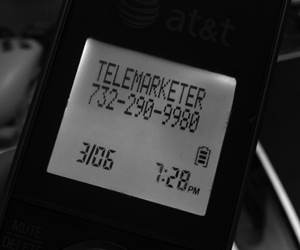
Why Telemarketers are the Worst Brand Storytellers
There’s a certain feeling I get, and I’m sure we all get, when I answer the telephone and am greeted by a telemarketer. There are a few feelings, actually. Sort of like the five stages of grief.
First, I feel a bit foolish, as if I’d been tricked into picking up the phone. This is especially true when it’s a number I don’t recognize yet I answer anyway on the off chance that it’s an emergency. From there I get impatient. I have no idea how long this person wants to keep me on the phone and I immediately start thinking about all the other things I have to do instead of listen to their sales pitch. Surprisingly, I then feel empathetic, since I too am a marketer (albeit one with a very different approach to sales) and wouldn’t want someone hanging up on me while I’m just doing my job. It isn’t long before I become angry, having been interrupted by an unwelcomed marketer of a product I surely don’t need. If they won’t let me get a word in edgewise, after trying to politely say “Thanks but no thanks” I will hang up.
That’s one end of the spectrum—the absolute worst way to be sold a product or service.

How Story Platforms Help Global Brands Go Local
While the current turmoil in Cairo may obscure the post-revolutionary optimism that pervaded the city last winter, that mood was powerful at the time. Despite the chaos in the virtual absence of government, the metropolitan region of some 14 million was taken over in January by an Arabic pop music video urging people to "go crazy" by committing acts of kindness to spread happiness. The film, produced by Coca Cola, features street scenes of people being kind and happy in well-known Cairo locations. Locals say it perfectly reflected the hopefulness and optimism of Egypt's people as they embarked on the difficult path of building a new democracy.