
Why Storytelling is the Best Way to Engage Health Care Audiences
Additional reporting by Nick Dutnall.
Relying on numbers at the expense of human judgment and experience, no matter how reassuringly extensive the latter, can lead to poor decision making that has far-reaching consequences (see our recent post on the limitations of “big data”).

How to Create Real-time Twitter Gold
Ever since the Super Bowl, all eyes have been on Oreo during major tent-pole events as we waited for them to deliver more real-time Twitter marketing. Audiences were surprised and delighted by the company’s initial, simple tweet, which was really nothing more than an existing piece of art with some clever copy added in. Since Oreo’s success with real-time Twitter advertising, brands and agencies have been trying to capture the magic of “You Can Still Dunk in the Dark”—but though many have tried, few have succeeded. So what was it about that otherwise ordinary and forgettable tweet that took the world by storm?
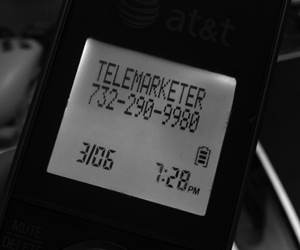
Why Telemarketers are the Worst Brand Storytellers
There’s a certain feeling I get, and I’m sure we all get, when I answer the telephone and am greeted by a telemarketer. There are a few feelings, actually. Sort of like the five stages of grief.
First, I feel a bit foolish, as if I’d been tricked into picking up the phone. This is especially true when it’s a number I don’t recognize yet I answer anyway on the off chance that it’s an emergency. From there I get impatient. I have no idea how long this person wants to keep me on the phone and I immediately start thinking about all the other things I have to do instead of listen to their sales pitch. Surprisingly, I then feel empathetic, since I too am a marketer (albeit one with a very different approach to sales) and wouldn’t want someone hanging up on me while I’m just doing my job. It isn’t long before I become angry, having been interrupted by an unwelcomed marketer of a product I surely don’t need. If they won’t let me get a word in edgewise, after trying to politely say “Thanks but no thanks” I will hang up.
That’s one end of the spectrum—the absolute worst way to be sold a product or service.
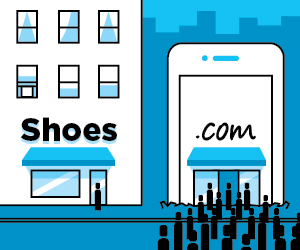
Can Digital Save Retail?
This post originally appeared in our July '13 issue of “Live Report from the Future of Marketing,” our monthly Post-Advertising newsletter. Subscribe for free here.
My wife and I have a baby on the way. Literally any day now he or she (we don’t know which) could arrive. We’re as excited and terrified as all first-time parents are, fully aware that our lives will utterly change but unaware of exactly how.
I’ve depended on my wife to lead me through these past nine months. Go to this doctor’s appointment. Paint the nursery. Install this light. However, as a bit of a techie, there were a few things I was excited about, and I was giddy to be given the reigns to buy our first high-end camera.

There’s No Content Like No Content
I'm annoyed to see Google’s use of a Rembrandt self-portrait across their logo today, on the 470th anniversary of his death.
I live a short way from Kenwood House in London, home to one of Rembrandt’s greatest late paintings. In this painting, the sad sack stares us down, brushes bunched in his fist; a confection of in-your-face paint strokes which brag about being the difference between what things are and what they mean. In the background, a map of blank hemispheres asks us if an empty hunt for money and the new is worth a spit without knowing the truth about yourself. Looking in a mirror is a nasty business. You never know who’ll stare back.
5 Types of Social Media Content Your Audience Really Wants
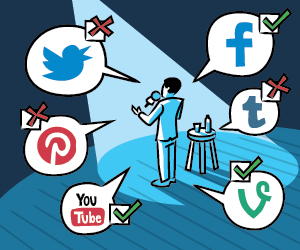
Why do we follow brands? What’s the point? They’re not our friends. We’re not going to make plans with them on a Friday night or invite them to our birthday parties (though some we would if we could). Why do we let them into a world where we’re sharing and consuming content from the people closest to us?
Social media has provided a unique opportunity for consumers and brands to connect on a level much deeper than that of a monetary transaction. It may sound obvious, but it’s worth noting that historically, a true fan of a brand didn’t have many options for celebrating his fandom. I could watch my favorite show, but I couldn’t get behind-the-scenes content (unless that too was on television). I could purchase a shirt bearing the logo of my favorite team, but if I wore it in a special place (say I climbed Mount Kilimanjaro in it), how would they know? I'd have to mail them a picture, and even if they received it, where would they share it? The relationship was one-way, aside from the moment when I handed over my money and they handed me the product, or when I sat down and tuned in to my show.
4 Lessons in Creating Dynamic Social Content
This post originally appeared in our May ’13 issue of “Live Report from the Future of Marketing,” our monthly Post-Advertising newsletter. Subscribe for free here.
Why would I care? Why would I share? These are two key questions that Droga5’s chief creative officer, Ted Royer, says his agency considers when creating social content for brands on Facebook.
Royer and Carlos Figueiredo, associate creative director at Publicis Kaplan Thaler, hashed out what makes engaging Facebook content during a Creative Week panel titled “Newsfeeder: The Most Creative Posts From Facebook Brands,” moderated by BuzzFeed’s CCO, Jeff Greenspan. We've gathered a few of the key takeaways from the conversation for you as well as specific brand takeaways.
The Difference Between Fun and Useful Content in Social Sharing
To say I’m not much of a handyman would be an understatement.
I’m my father’s son—a Boston sports fan through and through, hardworking and always trying to please. But he and I know absolutely nothing about maintenance or repair work. So when I recently bought my first house with my wife, the renovations we opted to complete ourselves weren’t going to be easy, no matter how simple they were.
But in the connected world we live in, help was no further away than a YouTube search. Hanging towel racks, painting stripes and installing the Nest thermostat (a must-have, IMO), lighting fixtures and house numbers—if my father-in-law wasn’t around to help, the good ol’ Internet was.
In situations from home improvement to fitness and more, brands have a golden opportunity to provide useful information to an audience that is seeking answers, but it seems they are instead trying to engage audiences with the type of content most often seen going viral—fun, quirky and amazing (amazingly good and amazingly bad) content like Gangnam Style, Kony 2012, Red Bull’s Stratos project, Grumpy Cat and Old Spice’s “The Man Your Man Could Smell Like.” Problems can arise quickly when brands try to re-create content like this, and most such efforts will fall flat.
So what’s a brand that is ready and willing to create useful content to do? The recent #SixSecondFix campaign by Lowe’s may be the perfect answer.

6 TV Ads That Will Grip You With Their Story
Television advertising has traditionally been seen as an interruptive yet creative means of exposing audiences to a brand. There’s no denying the massive audience that television commands, not only in the United States and the UK but around the world, but it’s been said that audiences hate advertisements so much that they created technologies for avoiding them.
Many households have “pulled the plug” on television altogether, opting for on-demand television viewing with Netflix, Hulu, Amazon Prime, iTunes, Roku, HBOGo and many more alternative services. Add to that the Nielsen Global Survey revealing the decline in consumer trust of ads on television (from 62 percent in 2009 to 47 percent in 2012) and one would have to wonder how television advertising can or will stay relevant in the post-advertising age.
The answer? Storytelling.